


ITM 2026 Istanbul
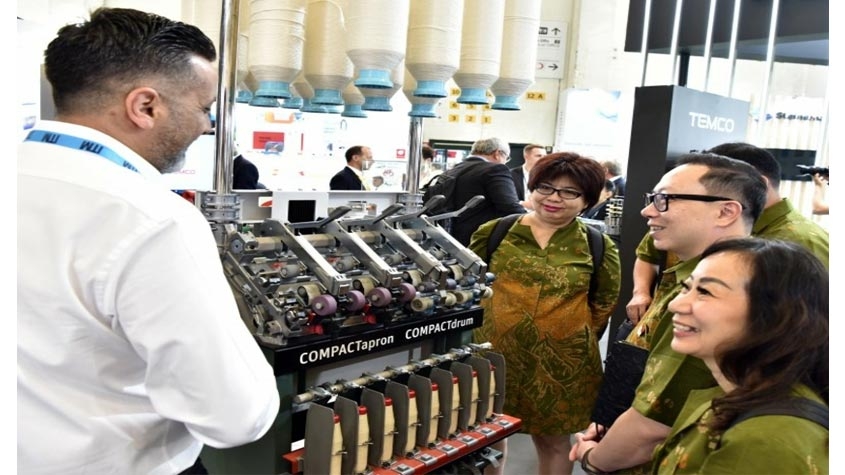
ITM 2026 Istanbul
Textile Machinery Innovations, AI and Sustainable Manufacturing
The ITM 2026 International Textile Machinery Exhibition was held in Istanbul, Türkiye, from June 9 to 13, 2026. With a focus on advanced textile manufacturing technologies, industrial automation, artificial intelligence (AI), and sustainable production solutions, the event provided a platform for manufacturers, investors, engineers, and textile industry professionals to connect and explore emerging technologies.
Beyond showcasing machinery and equipment, ITM 2026 highlighted key developments shaping the future of textile manufacturing, including digital transformation, resource efficiency, and international industrial cooperation.
ITM 2026: Connecting the Textile Industry with Global Markets
Istanbul's strategic location between Europe and Asia makes it an important destination for international industrial and trade events. Hosting ITM 2026 in the city provided opportunities for textile manufacturers, machinery suppliers, investors, and technical specialists from different regions to establish business relationships and explore potential collaborations.
At a time when visa restrictions and geopolitical tensions have made participation in some European trade fairs more challenging, ITM offered an alternative platform for industry professionals from the Middle East, Central Asia, North Africa, and South Asia to access textile technologies and international business networks.
For textile manufacturers, factory managers, engineers, and technical decision-makers, such exhibitions provide opportunities to evaluate machinery solutions, assess production technologies, and identify potential improvements in manufacturing performance.
Key Textile Technologies at ITM 2026
One of the main themes of ITM 2026 was the development of technologies designed to improve manufacturing efficiency, enhance product quality, and address the evolving requirements of the textile industry.
1. Artificial Intelligence and Automation in Textile Manufacturing
Artificial intelligence and industrial automation are becoming increasingly important in modern manufacturing. These technologies can support production monitoring, data analysis, quality control, and process optimization.
For textile mills, the integration of intelligent systems and automated equipment can help reduce operational errors, improve production consistency, and make more efficient use of manufacturing resources.
Understanding these technologies is particularly valuable for engineers and factory managers seeking to modernize production lines and improve operational performance.
2. Denim Manufacturing Technologies
Denim technologies were among the featured areas of ITM 2026. The section covered the denim production chain, including weaving, dyeing, fabric finishing, and digital solutions.
The integration of advanced technologies across these processes can influence fabric quality, resource consumption, and overall manufacturing efficiency.
For denim manufacturers, developments in weaving, dyeing, and finishing technologies are particularly relevant to improving product consistency, managing water consumption, and supporting more sustainable production practices.
3. Energy-Efficient Machinery and Water-Saving Technologies
Environmental sustainability has become a major consideration in textile manufacturing. Energy and water consumption, particularly in dyeing and finishing processes, remain important factors in evaluating production efficiency and operating costs.
At ITM 2026, energy-efficient machinery, water-saving technologies, and more environmentally responsible chemical solutions were among the key areas of interest.
The adoption of such technologies can help textile manufacturers reduce resource consumption, manage operating costs, and move towards more sustainable production processes. Actual savings, however, depend on equipment specifications, operating conditions, and the characteristics of each production line.
ITM 2026 and International Textile Business Opportunities
International textile machinery exhibitions do more than showcase equipment. They also create opportunities for direct interaction between machinery manufacturers, buyers, textile producers, and other participants across the supply chain.
ITM 2026 provided a setting for industry professionals to explore potential partnerships, assess market opportunities, and develop international business relationships.
For companies planning to upgrade machinery, expand production capacity, or enter new markets, participation in such events can support the evaluation of available technologies and potential suppliers.
Direct discussions with machinery manufacturers and technology providers can also help technical teams and business decision-makers gain a clearer understanding of emerging solutions and investment opportunities.
Smart Factories and the Future of Textile Manufacturing
Digital transformation, industrial automation, and data-driven production are shaping the development of smart factories across manufacturing industries. The textile sector is also increasingly exploring these approaches.
By integrating connected equipment, monitoring systems, and production data analysis, smart factories can improve process visibility and help identify operational problems more quickly.
The objective extends beyond increasing production speed. Other priorities include improving coordination between manufacturing stages, enhancing traceability, reducing unplanned downtime, and maintaining consistent product quality.
Technologies associated with automation and smart manufacturing, as highlighted at industry events such as ITM, help textile professionals assess emerging solutions and consider their potential application in existing production facilities.
Conclusion: Why ITM 2026 Matters to Textile Professionals
ITM 2026 in Istanbul was an important event on the 2026 textile exhibition calendar, bringing together themes related to textile machinery, digital technologies, artificial intelligence, industrial automation, and sustainable manufacturing.
The technologies and industry trends highlighted by the exhibition reflect a broader transformation in textile manufacturing. Competitiveness increasingly depends not only on machinery performance and production capacity, but also on resource efficiency, product quality, digital integration, and international business cooperation.
For textile manufacturers, factory managers, engineers, and technical specialists, following developments presented at international exhibitions can provide valuable insights into emerging technologies and potential improvements in production processes.
NassajYar covers textile industry news, manufacturing technologies, machinery developments, and emerging trends to help industry professionals stay informed about changes shaping the global textile sector.
♦ References
.
Please Follow us on Social Media.
 |  |  |  |  |  |









| بازديد | تاريخ |
| ۳۸۱۲ | ۸/۱۸ |
| ۴۳۹۵۳ | ۸/۱۷ |
| ۴۵۴۱۶ | ۸/۱۶ |
| ۳۵۰۲۷ | ۸/۱۵ |
| ۴۰۴۹۱ | ۸/۱۴ |
| ۴۲۹۴۴ | ۸/۱۳ |
| ۱۰۲۷۹۲ | ۸/۱۲ |

