


The Technology Hub for global denim trends: ITM 2026
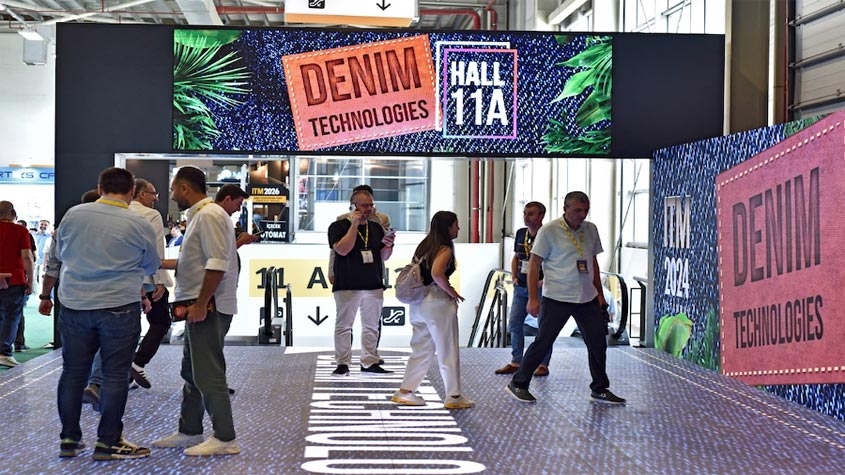
Advanced Denim Technologies at ITM 2026:
Focus on Sustainable Production and Water and Energy Efficiency
The ITM 2026 International Textile Machinery Exhibition in Istanbul featured a dedicated section for denim technologies, presenting a range of innovations in denim manufacturing, including washing, dyeing, finishing, laser processing and industrial automation. Reducing water and energy consumption, using more environmentally friendly chemicals, and developing digital solutions were among the key themes highlighted in this section.
ITM 2026 and the Latest Developments in Denim Technology
The ITM 2026 International Textile Machinery Exhibition was held from June 9 to 13, 2026, at the Tüyap Fair and Congress Center in Istanbul, Türkiye.
The international exhibition covered various stages of the textile production chain, from spinning and weaving to knitting, dyeing, finishing and digital printing. Denim technologies were also featured in a dedicated section, focusing on industrial innovations and more environmentally sustainable production methods.
According to the exhibition organisers, the Denim Technologies section covered a wide range of machinery and solutions for different stages of denim production, including washing, dyeing, fabric finishing, laser cutting, sustainable chemicals and digital technologies.
Advanced Technologies Across the Denim Production Chain
One of the main focuses of the denim section at ITM 2026 was the presentation of technologies covering different stages of denim fabric processing.
The key technology areas included:
1. Denim Washing Technologies
Digital washing systems and advanced denim processing equipment were among the technologies presented. These solutions focused on reducing water and energy consumption during production processes.
2. Dyeing Technologies
Dyeing technologies designed to minimise chemical consumption were another important area of focus. These solutions were presented within the broader framework of sustainable manufacturing and reducing environmental impact.
3. Fabric Finishing Technologies
Fabric finishing is an important stage in denim manufacturing. Finishing equipment and technologies were included alongside other solutions covering different stages of denim processing.
4. Laser Effect Technologies
Laser systems for creating different surface effects on denim fabrics, together with laser cutting and design technologies, were among the other areas highlighted in the dedicated denim section.
5. Sustainable Chemicals
The introduction of more environmentally friendly chemicals and technologies aimed at reducing chemical consumption during dyeing and finishing processes was another key topic.
6. Digital Solutions and Industrial Automation
Digital technologies and industrial automation systems were also among the solutions presented, covering additional aspects of technological development across the denim production chain.
Türkiye: The World's Fourth-Largest Denim Fabric Exporter
Türkiye is one of the major producers and exporters of denim fabric in the global textile market. Its textile manufacturing infrastructure, advanced technologies, design capabilities and geographical proximity to European markets are among the factors highlighted in discussions of its position in the denim industry.
According to the World Denim Fabric Foreign Trade Report 2024, published by the Istanbul Textile and Raw Materials Exporters' Association (İTHİB), Türkiye exported $291 million worth of denim fabric in 2024, ranking fourth among the world's denim fabric exporters.
Türkiye also accounted for 25.4% of the European Union's denim fabric imports in 2024, making it one of the main suppliers to the European market.
According to the same report, the global denim fabric trade reached approximately $4 billion in 2024, representing a 6.5% increase compared with the previous year.
Türkiye's Denim Apparel Exports in the Global Market
In addition to denim fabric manufacturing, Türkiye has a significant presence in the ready-to-wear industry and finished denim apparel production.
According to information published in the ITM 2026 denim technology feature, Türkiye's denim apparel exports reached $3.5 billion in 2024. The country ranked fourth globally in denim apparel exports and was the European Union's second-largest supplier after Bangladesh.
Its textile manufacturing infrastructure, design capabilities and production capacity for a wide range of products are among the characteristics highlighted in the presentation of Türkiye's denim industry.
Sustainable Denim Production: From Organic Fabrics to Recyclable Materials
Another major topic highlighted in relation to Türkiye's denim industry was the development of environmentally friendly production methods.
According to information published by the ITM 2026 organisers, Turkish manufacturers are working on developing denim production technologies with a stronger environmental focus. Cooperation with international certification organisations and the development of collections using 100% organic and 100% recyclable fabrics were among the initiatives mentioned.
Within this approach, reducing water and energy consumption, using more environmentally friendly raw materials, and adopting new technologies in washing, dyeing and finishing processes are among the key areas of focus in the denim industry.
ITM 2026: Showcasing Technologies in the Dedicated Denim Section
The Denim Technologies section at ITM 2026 covered technologies related to different stages of denim manufacturing and processing, alongside other textile machinery sectors.
Energy- and water-efficient machinery, digital washing systems, laser effect technologies, dyeing solutions designed to reduce chemical consumption, and industrial automation systems were among the main technology areas highlighted for this section.
By bringing together textile machinery manufacturers and technology providers, the exhibition provided a platform for presenting equipment and solutions across the denim production chain.
♦ References
.
.
Please Follow us on Social Media.
 |  |  |  |  |  |







| بازديد | تاريخ |
| ۲۱۹۱۴ | ۸/۱۸ |
| ۴۳۹۵۳ | ۸/۱۷ |
| ۴۵۴۱۶ | ۸/۱۶ |
| ۳۵۰۲۷ | ۸/۱۵ |
| ۴۰۴۹۱ | ۸/۱۴ |
| ۴۲۹۴۴ | ۸/۱۳ |
| ۱۰۲۷۹۲ | ۸/۱۲ |

