


Why Some Ancient Fabrics Lasted 500 Years
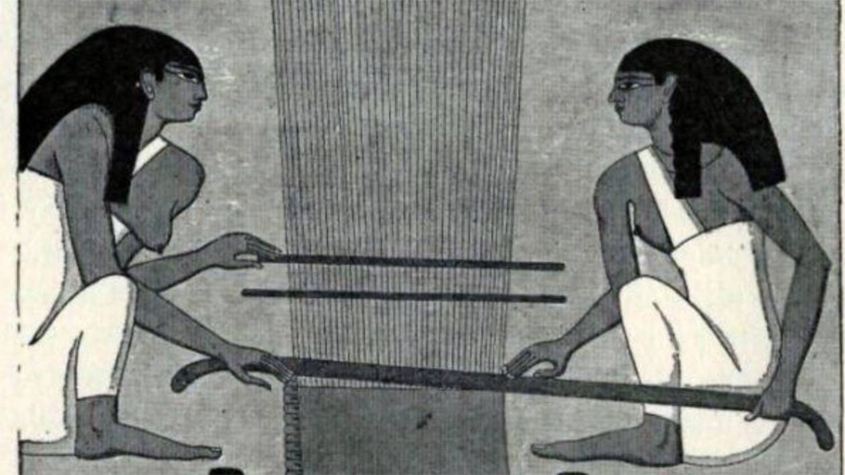
Why Some Ancient Fabrics Lasted 500 Years
And Modern Ones Fail in 5
Museums around the world preserve textiles that are hundreds of years old. Silks, linens, and woolens woven long before modern machinery still hold structure, color, and integrity.
Meanwhile, many modern fabrics struggle to survive a few years of real use.
This isn't nostalgia. It's a manufacturing lesson.
Longevity Was Designed—Not Accidental
Ancient textiles didn't last centuries by chance. They were engineered—within the limits of their time—for durability over efficiency.
Producers optimized for:
Structural stability
Fiber integrity
Repairability
Long-term use
Speed, cost pressure, and rapid trend cycles simply didn't exist.
Fiber Selection Was Conservative by Design
Ancient weavers worked with a narrow set of fibers:
Long-staple cotton
High-twist wool
Strong silk filaments
Flax processed slowly and carefully
Fibers were selected for strength and resilience, not softness or immediate aesthetics.
Modern blends often prioritize:
Cost reduction
Visual appeal
Short-term comfort
Durability becomes a secondary outcome.
Twist, Density, and Balance Mattered More Than Speed
Hand spinning imposed natural discipline:
Higher twist levels
Balanced warp-to-weft ratios
Conservative yarn counts
These parameters reduced abrasion, slippage, and breakage.
Modern high-speed spinning can push yarns to the edge of performance—sometimes beyond their long-term stability threshold.
Efficiency improved. Margin for error disappeared.
Natural Finishing Created Stability
Ancient finishing processes were slow but effective:
Controlled washing
Repeated mechanical fulling
Natural mordants and dyes
These steps stabilized fibers and locked structure in place.
Many modern chemical finishes, while visually impressive, are designed for instant performance, not decades of wear.
Repair Was Part of the System
Durability didn't mean fabrics never failed—it meant they could be repaired.
Weaving structures allowed:
Localized mending
Reinforcement
Reuse
Modern fabrics often fail catastrophically: once damaged, replacement is cheaper than repair.
Thats not a material limitation—it's a design choice.
Why Modern Fabrics Age Faster
Today's textile systems are optimized for:
Speed to market
Cost efficiency
Seasonal turnover
This leads to:
Lower yarn safety margins
Aggressive finishing
Tighter tolerances
Reduced structural redundancy
Fabrics look perfect on day one—but degrade rapidly under real-world stress.
This Isn't an Argument Against Modern Technology
Modern textiles outperform ancient ones in many areas:
Stretch
Lightweight performance
Technical functionality
But longevity is no longer a default outcome.
It must be designed back into the system.
What Today's Mills Can Learn From the Past
Durability doesn;t require going backward. It requires smarter trade-offs.
Key lessons:
Don't push fibers beyond stable limits
Balance speed with structural safety
Design for repair, not just replacement
Measure aging performance, not just initial quality
Longevity is a system decision.
Final Thought
Ancient fabrics lasted 500 years because they were made for a world where replacement was rare and resources were valuable.
Modern fabrics fail faster because they're made for a world that rewards speed, volume, and novelty.
The future opportunity lies in combining modern capability with ancient durability logic.
Not everything old was better—but some things were built to last.
♦ References
https://www.linkedin.com
.
.
Please Follow us on Social Media.
 |  |  |  |  |  |








| بازديد | تاريخ |
| ۳۱۵۲ | ۷/۲ |
| ۳۰۵۴ | ۷/۱ |
| ۵۰۰۶ | ۶/۳۱ |
| ۱۰۴۶۸ | ۶/۳۰ |
| ۱۴۴۸۴ | ۶/۲۹ |
| ۴۷۷۴ | ۶/۲۸ |
| ۴۲۰۸ | ۶/۲۷ |

